

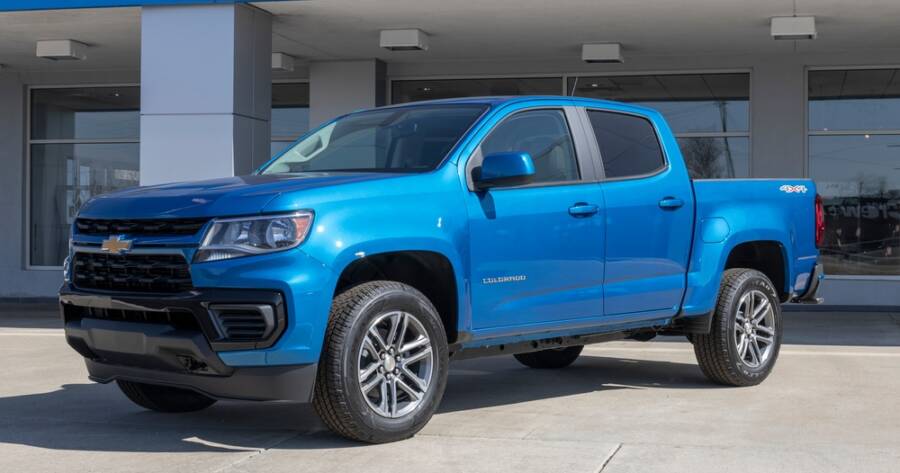
The pickup truck market has never offered buyers more variety, capability, or technology than it does today. Whether the priority is raw towing muscle, refined daily driving, or fuel efficiency, the right new truck exists for nearly every need and budget. Understand what to expect from some of the top models on the market.
Understanding the Pickup Truck Landscape
Today’s new truck buyers face a genuinely exciting but complex marketplace. The segment splits broadly into two categories: mid-size pickups and full-size half-ton trucks, with heavy-duty options available for those with serious commercial or hauling demands. Each tier serves a different kind of owner, and understanding the differences between them is the first step toward making a confident purchase decision.
Mid-size pickups appeal to buyers who want the utility of a truck bed combined with easier urban maneuverability and, often, lower operating costs. For 2025, the mid-size segment includes well-known nameplates such as the Chevrolet Colorado, Ford Ranger, GMC Canyon, Honda Ridgeline, Jeep Gladiator, Nissan Frontier, and Toyota Tacoma (source). Each of these models takes a distinct approach to the blend of off-road readiness, passenger comfort, and payload capacity.
Full-size trucks, on the other hand, dominate American roads and sales charts for good reason. Models like the Ford F-150, Ram 1500, Chevrolet Silverado 1500, GMC Sierra 1500, and Toyota Tundra offer larger beds, higher tow ratings, and a broader selection of powertrains than their smaller counterparts (source). For buyers who regularly haul trailers, carry heavy payloads, or simply want maximum capability, the full-size segment delivers on nearly every front.
Powertrain Options: More Choices Than Ever
One of the most significant shifts in the new truck market is the expansion of available powertrains. Buyers no longer face a simple choice between a V-6 and a V-8. Modern trucks offer turbocharged inline engines, hybrid systems, and even diesel options depending on the model.
The 2026 Ram 1500 exemplifies this trend, bringing back its celebrated Hemi V-8 while also offering the Hurricane 3.0-liter twin-turbo inline-six in two output levels: a Standard Output version producing 420 horsepower and a High Output version reaching 540 horsepower (source). That range of options means the Ram 1500 can be configured as a capable daily driver or a high-performance hauler depending on the buyer’s needs.
Ford’s F-150 continues to stand out with one of the widest powertrain menus in the segment, spanning a supercharged V-8, a hybrid turbocharged V-6, and a naturally aspirated Coyote V-8, all at a starting price that remains competitive with other full-size offerings (source). The GMC Sierra 1500 adds further variety with availability of a 3.0-liter turbodiesel and a 2.7-liter turbocharged four-cylinder producing 430 lb-ft of torque (source). Diesel and high-torque four-cylinder options appeal especially to buyers who prioritize towing efficiency over outright horsepower.
Toyota’s Tundra takes a notably different route through its i-Force Max hybrid system, which generates 437 horsepower and 583 lb-ft of torque while also benefiting from a larger 32.2-gallon fuel tank on all 2026 models (source). The hybrid approach allows the Tundra to deliver strong performance figures without sacrificing long-distance driving range.
Key Factors to Evaluate Before Buying
Choosing among the available models requires a clear picture of how the truck will actually be used. Tow and payload ratings are among the most important specifications to compare, and buyers should always cross-reference manufacturer figures against their actual hauling needs rather than simply choosing the highest number available (source).
Configuration combinations also play a major role in the final cost and capability of a truck. Cab size, bed length, drivetrain selection, and trim level all interact to push the price up or down significantly. A work-focused buyer may find a regular cab with a long bed and a base trim perfectly suitable, while a family-oriented buyer might prioritize a crew cab, a shorter bed, and a higher trim level with advanced safety and infotainment features.
Pricing structures in the truck segment follow a clear pyramid, with base work trucks at the entry level and fully loaded luxury configurations at the top (source). Understanding where the real value lies within that pyramid often takes careful comparison of standard versus optional equipment across competing models. Many buyers find that a mid-tier trim delivers most of the desirable features without the premium attached to the highest packages.
Test driving multiple competitors before committing remains one of the most practical steps any truck buyer can take. Ride quality, interior noise, visibility, and the feel of the controls all vary meaningfully across brands, and those differences become especially apparent when comparing a body-on-frame workhorse against a more car-like alternative such as the Honda Ridgeline, which uses a unibody construction to prioritize comfort and interior storage.
Finding the Right Truck for Your Budget
New pickup prices vary considerably depending on vehicle size, equipment, and intended use. For budget-conscious buyers, the 2026 Ford Maverick starts at $28,145, making it an accessible entry point into truck ownership (source). Moving into the midsize segment, the 2026 Chevrolet Colorado starts at $33,500, while the full-size 2026 Ford F-150 begins at $40,155 (source; source). These manufacturer-suggested retail prices apply to base configurations and exclude applicable taxes, fees, and optional equipment.
Buyers with larger budgets can consider higher trim levels, which often introduce upgraded interiors, additional technology, and specialized performance equipment. For example, the 2026 Chevrolet Colorado Trail Boss starts at $41,600, while the more off-road-focused ZR2 begins at $50,800 (source). However, affordability extends beyond the sticker price. Financing charges, insurance premiums, fuel consumption, maintenance, and registration expenses all influence long-term costs. Comparing total ownership expenses and negotiating the final out-the-door price can help buyers avoid stretching their budgets unnecessarily.
Matching a New Truck to Your Everyday Needs
The best pickup for commuting or occasional household projects may be very different from the ideal truck for construction work or towing a camper. Drivers primarily traveling through cities might appreciate the Ford Maverick, which offers compact dimensions and a standard hybrid powertrain on several trims. Its EPA-estimated 42 mpg in city driving makes it especially appealing to buyers who want truck utility without the fuel consumption typically associated with larger pickups (source). Families who regularly carry passengers might instead consider a crew-cab midsize or full-size pickup, prioritizing rear-seat space, safety equipment, and ride comfort.
For contractors and outdoor enthusiasts, capability becomes more important. The Chevrolet Colorado offers a maximum available towing capacity of 7,700 pounds, making properly equipped versions worth considering for hauling equipment or recreational trailers (source). Buyers with heavier towing demands might examine the Ford F-150, which offers a maximum available towing capacity of 13,500 pounds in specific configurations (source).
Off-road enthusiasts should also compare ground clearance, four-wheel-drive systems, tires, and suspension packages rather than choosing based on appearance alone. Regardless of the intended use, buyers should verify the exact truck’s payload and towing ratings before purchasing.
Why You Should Learn More About New Trucks
The current generation of pickup trucks represents the most capable and technologically advanced the segment has ever been. From hybrid powertrains that blend efficiency with strong torque output to diesel engines that favor those hauling heavy loads over long distances, buyers have genuine options that align with their specific priorities.
Full-size models from Ram, Ford, GMC, Chevrolet, and Toyota each bring distinct strengths to the table, while mid-size competitors like the Tacoma, Ranger, and Colorado serve those who want truck utility in a more manageable package. Staying informed about evolving model-year updates, new powertrain offerings, and changing trim configurations helps buyers approach the purchase process with confidence and clarity.