

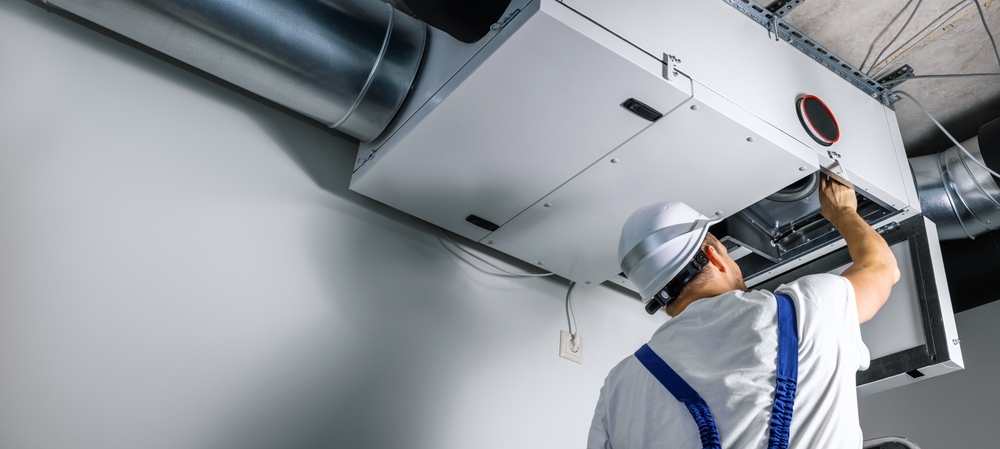
The HVAC industry presents a dynamic landscape filled with diverse career opportunities, driven by the growing demand for energy-efficient systems. From technical roles to managerial positions, the field offers pathways for career advancement and skill development. It’s important to understand the essential aspects of HVAC careers, including salary expectations, educational requirements, and the industry’s commitment to sustainability.
Exploring Careers in Heating, Ventilation, and Air Conditioning (HVAC)
The Heating, Ventilation, and Air Conditioning (HVAC) industry is a dynamic field offering a plethora of career opportunities (source). As the demand for energy-efficient and environmentally friendly systems grows, so does the need for skilled professionals in this sector.
The HVAC industry encompasses various roles, from technical positions like HVAC Installers and Service Technicians to managerial roles such as Service Managers and Facilities Managers. Each position plays a vital role in the installation, maintenance, and repair of HVAC systems (source).
Diverse Career Paths and Opportunities
The HVAC industry is experiencing significant growth, providing numerous career opportunities across various sectors, including residential, commercial, sales & marketing, automated controls, and design & engineering. This expansion offers a dynamic environment for career advancement and skill development (source).
Career paths in HVAC are diverse, with roles ranging from entry-level positions requiring a high school diploma to advanced roles necessitating extensive experience or higher education. This structure allows individuals to progress within their chosen field or transition between different roles as they gain skills and credentials (source).
Salary and Educational Requirements
Salaries for HVAC-related careers vary significantly based on the role and level of responsibility. For instance, in New York State, HVAC Helpers earn between $38K and $56K, while more advanced positions like Facilities Managers can earn between $86K and $172K (source).
Educational and licensing requirements also vary; some careers, such as Senior Mechanical Engineers, require a Professional Engineer (PE) license, while entry-level positions like HVAC Helpers may not require formal education beyond high school. This diversity allows individuals with varying levels of education and experience to enter the field (source).
Technical Skills and Customer Service
Technical skills are essential in HVAC careers, with roles like Mechanical Technicians and Refrigeration Technicians requiring expertise in system design, installation, and maintenance. Experience in using computer programs for design and technical drawing is also valuable for roles like Mechanical Designers (source).
Additionally, customer service is a critical component of many HVAC roles. Positions like Customer Service Representatives and Service Managers focus on ensuring customer satisfaction by addressing complaints, answering questions, and managing service teams effectively (source).
Green Jobs and Sustainability
The concept of “green” jobs in HVAC is evolving, with many roles incorporating energy conservation, alternative energy development, pollution reduction, and recycling. This trend highlights the industry’s commitment to sustainability and environmental responsibility (source).
Specific roles within the HVAC industry include Mechanical Engineers, HVAC Project Managers, Energy Engineers, and Building Automation Systems Managers, each with distinct responsibilities such as system design, project oversight, energy efficiency consulting, and automation system management (source).
Why You Should Learn More About HVAC Careers Today
The HVAC industry offers a wealth of opportunities for those interested in a career that combines technical skills, customer service, and sustainability. With the industry’s growth and the increasing demand for energy-efficient systems, now is an excellent time to explore the diverse career paths available in HVAC.
Whether starting in an entry-level position or aiming for a managerial role, the HVAC field provides numerous opportunities for advancement and skill development. Understanding the various roles, salary expectations, and educational requirements can help individuals make informed decisions about their career paths in this dynamic industry.