

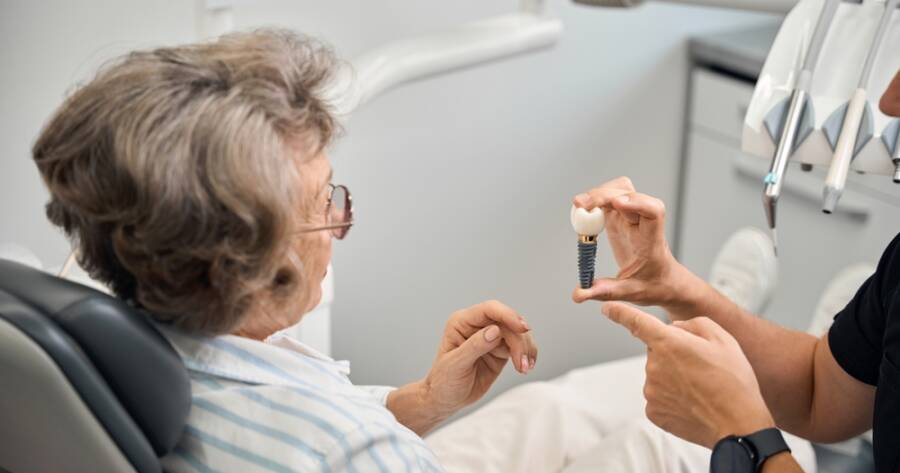
Dental implant clinical trials are pivotal in advancing oral health care by testing new treatment strategies and technologies. Top trials not only provide insights into the effectiveness and safety of dental implants but also offer opportunities for participation and compensation. Understand the innovative approaches and potential benefits of engaging in groundbreaking research studies.
Innovative Approaches in Dental Implant Research
Several innovative approaches are being explored in dental implant research. For instance, one study investigates the healing process after dental implant placement in patients using TNF-alpha inhibitors, aiming to understand potential complications associated with these biologic drugs. Another study evaluates the impact of static magnetic fields on the stability and integration of dental implants with bone, exploring innovative approaches to enhance implant success (source).
Additionally, the College of Dental Medicine is conducting research to improve oral health through clinical trials. One trial evaluates volumetric changes associated with immediate implant placement and Bio-Oss Collagen, assessing soft and hard tissue changes over a year. Another study focuses on bone-implant contact after maxillary sinus augmentation using two different biomaterials, comparing bone formation around microimplants (source).
Top Benefits of Dental Implant Trials
One of the biggest advantages of dental implant trials is access to reduced-cost or fully covered treatment, which can include consultations, implant surgery, imaging, and follow-up appointments. Some studies also provide participants with newer implant materials or guided-placement techniques that are still being evaluated before wider commercial use (source).
Clinical trials listed through university programs and research databases frequently include long-term monitoring with radiographs, bone-level evaluations, and regular oral health assessments to track implant success over several months or even years. In addition, participants are often treated by licensed specialists, dental schools, or research teams using closely supervised protocols designed to evaluate healing, implant stability, and overall treatment outcomes.
Participation and Compensation in Clinical Trials
Participating in dental implant clinical trials can be a rewarding experience. These trials typically compensate participants between $50-100 per visit for Phase 2–4 trials, with Phase 1 trials often offering higher compensation (source). Most trials also cover travel costs to and from the clinic. The process involves a screening appointment to determine eligibility, followed by assignment to a treatment group. Some trials may include a placebo group, with approximately 30% of dental implant trials using placebos (source).
Participation is generally without fees and does not require insurance, except for certain cancer trials where insurance may be needed to cover non-experimental treatment components. Recent additions to clinical trial platforms include trials for the Nobel N1 Implant for Tooth Loss and Enamel Matrix Derivative for Gum Health, highlighting ongoing advancements in dental implant research (source).
Why You Should Learn More About Dental Implant Clinical Trials
Dental implant clinical trials are at the forefront of oral health innovation, offering new insights and treatment options for patients. By participating in these trials, individuals can contribute to the advancement of dental care while potentially benefiting from cutting-edge treatments.
Understanding the scope and impact of these trials can help patients make informed decisions about their oral health care. As research continues to evolve, staying informed about the latest developments in dental implant clinical trials is crucial for anyone interested in the future of dental medicine.