

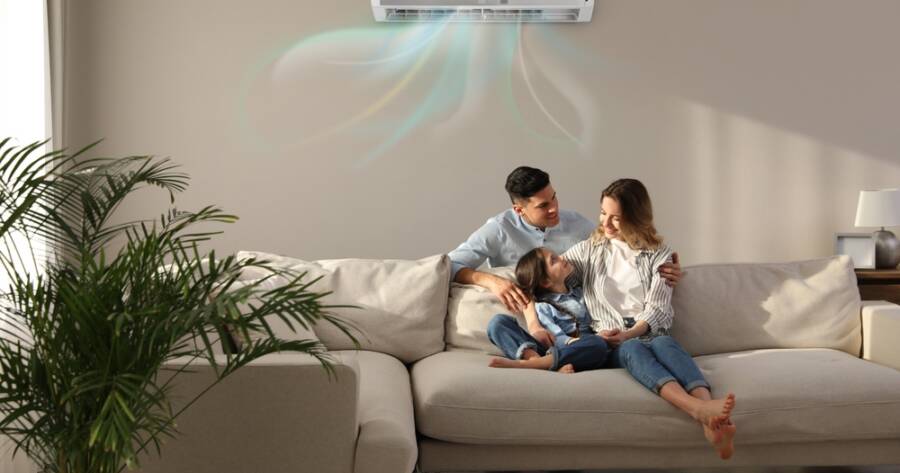
Air conditioning systems are vital for home comfort, especially during summer, and regular maintenance is key to their efficiency and longevity. With technological advancements offering eco-friendly solutions and financial incentives easing upgrades, understanding common issues and solutions ensures optimal performance. Understand how key elements contribute to a sustainable and comfortable living environment.
The Importance of Air Conditioning Maintenance
Air conditioning systems are essential for maintaining comfort in homes, especially during the hot summer months. Regular maintenance is crucial to ensure these systems operate efficiently and avoid costly repairs.
Companies like Comfort Heating & Air emphasize the importance of regular HVAC maintenance to keep systems running smoothly. Their certified technicians offer maintenance services that help prevent breakdowns and extend the lifespan of air conditioning units (source).
Innovative Air Conditioning Solutions
Advancements in air conditioning technology have led to more efficient and environmentally friendly solutions. For instance, Daikin offers a range of high-efficiency air conditioning systems, including central air conditioners and ductless mini-split systems.
These systems are designed to provide reliable cooling while minimizing energy consumption. Daikin’s use of R-32 refrigerant, which has a lower global warming potential than traditional refrigerants, highlights their commitment to sustainability (source).
Financial Incentives for Upgrading Air Conditioning Systems
Homeowners who replace older air conditioning equipment with high-efficiency systems may qualify for valuable financial incentives that help offset installation costs. Through the federal Energy Efficient Home Improvement Credit, eligible central air conditioners and certain heat pump systems can qualify for tax credits when they meet specified efficiency requirements (source).
The credit can cover a percentage of the project cost, subject to annual limits, making energy-efficient upgrades more affordable for households looking to reduce long-term energy consumption (source). In addition to federal incentives, many utility companies, state energy offices, and local programs offer rebates for qualifying HVAC installations, allowing some homeowners to combine multiple incentives for greater savings.
Before purchasing a new system, homeowners should verify eligibility requirements and available programs in their area, as rebate amounts and qualifying equipment standards vary by location. Federal tax credits can often be paired with other energy-efficiency incentives, while the IRS provides guidance on how certain rebates and utility incentives interact with federal tax credits (source). Reviewing available programs before installation can help maximize savings and ensure that all required documentation is retained for tax and rebate applications.
Common Air Conditioning Problems and Solutions
Air conditioning systems can encounter various issues that affect their performance. Common problems include disrupted airflow, faulty installation, and refrigerant leaks (source). To ensure efficient operation, it is important to hire qualified technicians for installation and regular maintenance. This helps prevent issues such as leaky ducts and low airflow.
Additionally, addressing refrigerant leaks promptly is crucial due to their environmental impact. Regular professional service calls should include checking electrical connections and ensuring proper drainage to avoid common problems.
Why You Should Learn More About Air Conditioning Today
Understanding the importance of air conditioning maintenance, innovative solutions, and financial incentives can significantly enhance home comfort and efficiency. With advancements in technology and a focus on sustainability, modern air conditioning systems offer improved performance and reduced environmental impact.
By staying informed about the latest developments and maintenance practices, homeowners can ensure their systems operate efficiently and enjoy a comfortable living environment year-round.