

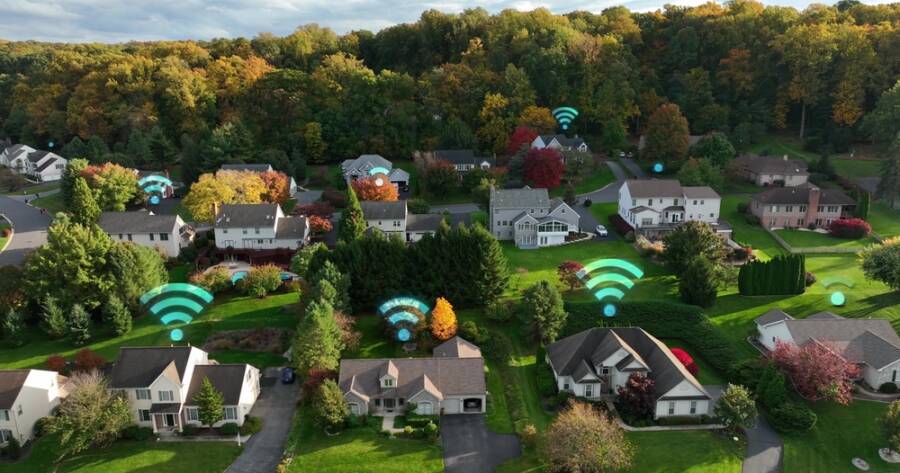
In an era where digital connectivity is essential, affordable internet access is a lifeline for low-income households. Federal programs alongside initiatives from major telecommunications companies offer cost-effective solutions to bridge the digital divide. It’s important to understand how affordable options can empower families to stay connected and thrive in the digital economy.
Understanding Affordable Internet Options
In today’s digital age, having access to affordable internet is crucial for staying connected, accessing information, and participating in the modern economy. Fortunately, there are several programs and initiatives designed to provide cheap internet services to low-income households. These programs aim to bridge the digital divide and ensure that everyone has the opportunity to benefit from the internet’s vast resources.
Federal Programs for Affordable Internet
The Lifeline program is a key federal initiative that helps make phone and internet services more affordable for eligible low-income households. Qualified participants can receive up to $9.25 off the cost of phone, internet, or bundled services, helping reduce monthly expenses (source). Eligibility is based on income or participation in government assistance programs such as SNAP or SSI.
To receive the benefit, individuals must first apply to confirm eligibility and then enroll with a participating phone or internet provider. This two-step process ensures that qualified households can access reliable communication services at a lower cost while maintaining flexibility in choosing a provider that fits their needs.
Telecommunications Companies Offering Low-Cost Internet
Several telecommunications companies participate in these federal programs, offering various plans to support low-income households. For instance, SafeLink Wireless, Assurance Wireless, Internet Essentials from Comcast Xfinity, and Verizon’s LifeLine Discount Program provide different options for affordable internet access. These companies offer plans that cater to the needs of low-income families, ensuring they can stay connected without financial strain (source).
AT&T’s Commitment to Affordable Internet
Access from AT&T is another initiative that provides affordable internet services to eligible households. This program offers low-cost internet at $30 per month with speeds up to 100Mbps (source). Additionally, qualifying customers can save $20 per month on fiber speeds ranging from 300Mbps to 1GIG.
Eligibility is determined by participation in government assistance programs or by meeting specific income criteria, with household income needing to be below 200% of federal poverty guidelines. The service includes benefits such as no equipment fees, no deposit, and no annual contract, making it a cost-effective option for low-income households.
Cox’s Affordable Internet Plans
Cox offers a variety of affordable internet plans starting as low as $9.95 per month (source). These plans are designed for individuals and families on a tight budget and include unlimited data, free equipment, and access to 4 million Cox hotspots.
The Connect2Compete program by Cox provides low-cost internet service for families with K-12 children who participate in eligible government assistance programs. This initiative includes internet speeds up to 100 Mbps download and 5 Mbps upload, along with a free WiFi modem rental.
Why You Should Learn More About Cheap Internet Today
Understanding the options available for cheap internet can significantly impact the quality of life for low-income households. With various federal programs and initiatives from telecommunications companies, affordable internet is within reach for many families.
By exploring these options, individuals can ensure they have the necessary tools to stay connected, access educational resources, and participate in the digital economy. Learning more about these programs can empower families to make informed decisions and take advantage of the opportunities that affordable internet access provides.